A Step-By-Step Approach to Storing an Idle Freezer
There are moments when you may need to store your freezer for a while--whether you are moving, downsizing, or simply taking a break from using it. Proper storage for your idle freezer ensures it remains in excellent condition and extends its lifespan. This comprehensive guide will walk you through a step-by-step approach to storing an idle freezer, outlining best practices and expert tips to keep your appliance pristine and ready for future use.
Why It's Important to Store Your Freezer Correctly
A freezer is a significant investment, and how you store it when it's not in use can make a huge difference. Incorrect storage can lead to odors, mold growth, mechanical issues, and overall deterioration. By following the recommended guidelines for storing an idle freezer, you protect your appliance and your investment for years to come.
Common Reasons to Store a Freezer
- Moving or renovating your home
- Seasonal or temporary non-use
- Downsizing or upgrading appliances
- Switching from a standalone to a built-in freezer unit
- Energy-saving during extended periods of non-use
Preparation: Getting Your Freezer Ready for Storage
Before placing your idle freezer into storage, it's crucial to prepare it thoroughly. Skipping any step in this process can lead to long-term damage or costly repairs later. Here's how to get started:
1. Unplug the Freezer
- Ensure safety first: Always disconnect your freezer from the power outlet before any cleaning or maintenance begins.
2. Remove All Contents
- Empty the freezer: Take out all food items and trays or removable shelves.
- Check for forgotten items in corners and drawers.
3. Defrost the Freezer
- If you have a manual defrost freezer, switch it off and prop the door open so the ice can melt naturally.
- Use towels to soak up melting ice and water.
- Never use sharp objects to speed up the defrost process, as this can damage internal components.
4. Clean and Deodorize Thoroughly
Proper cleaning is a vital step in storing an unused freezer:
- Mix a cleaning solution: Use mild dish soap and warm water, or a blend of water and baking soda (about 1-2 tablespoons per quart of water).
- Wipe all surfaces: Clean the interior, exterior, and gasket (rubber door seal) thoroughly with a soft cloth.
- Target tough odors: For persistent smells, wipe with a solution of water and vinegar.
- Dry completely: Leave the door open to air dry for several hours, ensuring all moisture is removed to avoid mold or mildew growth.
Protecting Your Freezer in Storage
5. Secure Removable Parts
- Take out all trays, baskets, and shelves. Clean them separately, dry thoroughly, and store inside the freezer for safekeeping.
- Use tape or bubble wrap to secure loose parts and prevent sliding or damage during transport.
6. Stabilize the Freezer Door
- Keep the door ajar: After drying, leave the freezer door open by a few inches, using a spacer like a rolled-up towel.
- This step is crucial to prevent odors and mold during long-term storage.
7. Protect Electrical Components
- Coil the power cord neatly and secure it with a zip tie or velcro strap.
- Tape the cord to the back of the freezer to avoid damage or entanglement.
Extra Tip: Consider adding a box of baking soda or activated charcoal inside the empty unit to absorb lingering odors.
Choosing the Right Storage Location
Where you store your idle freezer can greatly influence its condition over time. Choose a space that reduces the risk of rust, mold, and mechanical issues.
Ideal Locations to Store a Freezer
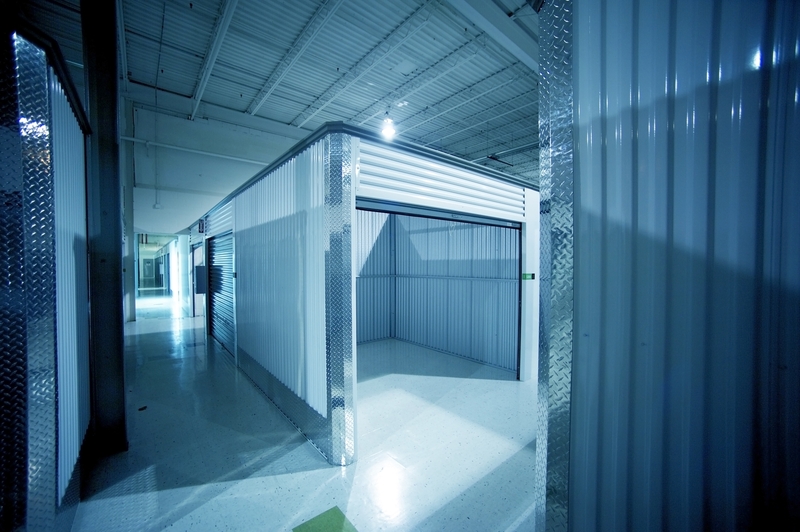
- Climate-controlled storage units: The optimal choice, as temperature and humidity are regulated.
- Indoor utility rooms or basements: These offer shelter from extreme weather.
- Dry garages or sheds: Acceptable if well-ventilated, insulated, and protected from pests.
Conditions to Avoid
- Direct sunlight: Can cause fading, overheating, and warping of the exterior.
- Outdoor exposure: Leads to rust, weather damage, and pest infestation.
- Damp basements: Heightens the risk of mold, corrosion, and unpleasant odors.
Preparing the Freezer for Transport
If moving your idle freezer to a new location, proper handling is essential:
How to Safely Move an Idle Freezer
- Enlist help: Freezers are heavy and bulky--use a dolly and get assistance.
- Protect with padding: Wrap the appliance in blankets or moving pads to shield from dings and scratches.
- Keep upright: Always transport upright. Laying a freezer on its side can allow oil to enter the cooling lines, potentially damaging the compressor.
- Secure in vehicle: Use straps or bungee cords to keep the freezer stable and upright during transit.
Storing the Freezer for Extended Periods
For long-term freezer storage, a little extra care ensures your appliance remains ready for years of reliable use.
Additional Long-Term Storage Tips
- Check periodically: If possible, inspect the freezer monthly for dust buildup, pest activity, or moisture accumulation.
- Use a cover: A breathable cover or sheet helps keep dust and debris off, but avoid airtight plastic as it can trap moisture.
- Keep door propped open: Use a device like a door stop to keep airflow circulating.
- Elevate if necessary: Place the freezer on wooden blocks or a platform if your storage area is prone to flooding.
Reactivating Your Stored Freezer
When it's time to reuse your idle freezer, following the proper steps ensures safe and efficient operation:
How to Start Up a Stored Freezer
- Inspect the interior: Make sure the unit is clean and dry. Remove any baking soda or charcoal boxes.
- Check for pests: Look for droppings, chewed cords, or nesting materials and clean thoroughly if necessary.
- Reconnect the power: Plug the freezer into a grounded outlet and ensure the cord and plug are undamaged.
- Allow to stabilize: If the freezer was tilted during moving, let it stand upright for several hours (up to 24) before plugging it in, allowing compressor fluids to settle.
- Wait before adding food: Let the freezer cool completely (several hours) before restocking.
Pro Tip: Wipe down the surfaces with a mild vinegar solution for an extra fresh start before reloading with food.
Frequently Asked Questions About Idle Freezer Storage
1. How long can I leave my freezer unplugged in storage?
With proper cleaning, drying, and the door slightly open, a freezer can be stored unplugged for months or even years without concern. Routine checks help extend its life and catch any issues early.
2. Can I store my freezer in freezing temperatures?
While some freezers are rated for unheated garages or outbuildings, most models are best stored in dry, climate-controlled locations. Extreme cold can sometimes cause oil thickening or brittle seals.
3. How can I prevent mold and odors during storage?
- Ensure complete drying after cleaning
- Keep the door propped open or use moisture absorbers
- Store in a dry, well-ventilated space
4. Should I cover my freezer during storage?
Yes, use a breathable fabric cover to shield from dust. Avoid airtight plastic, which can trap moisture and lead to mold.
5. Is it safe to keep the shelves and drawers inside?
Yes, as long as they are thoroughly cleaned and dry, store them inside to keep all parts together and protected from damage.

Key Takeaways: The Right Way to Store an Idle Freezer
- Always unplug and empty your freezer before storage.
- Defrost and clean thoroughly using mild cleaning agents.
- Keep the door ajar to prevent mold and odor buildup.
- Store in a dry, climate-controlled, and well-ventilated area.
- Cover with a breathable cloth to guard against dust.
- Check periodically for issues if possible.
By following this step-by-step approach to storing an idle freezer, you'll ensure that your appliance remains in optimal condition, free from unpleasant smells, mold, or functional problems. These guidelines not only keep your freezer ready for future use but also maximize its lifespan and reliability.
Final Thoughts
Proper freezer storage isn't just about convenience--it's about protecting your investment and keeping your home running smoothly. By investing a little time now in the correct method of long-term freezer storage, you will save money, stress, and effort in the future. If you have specific questions or concerns about a particular model, always refer to your freezer's user manual or consult a professional appliance specialist.
Remember, an idle freezer doesn't have to become a ruined freezer. With these simple, actionable steps, you can store your freezer with confidence and peace of mind.

