Get Accurate Dulwich Moving Quotes: What to Send Us
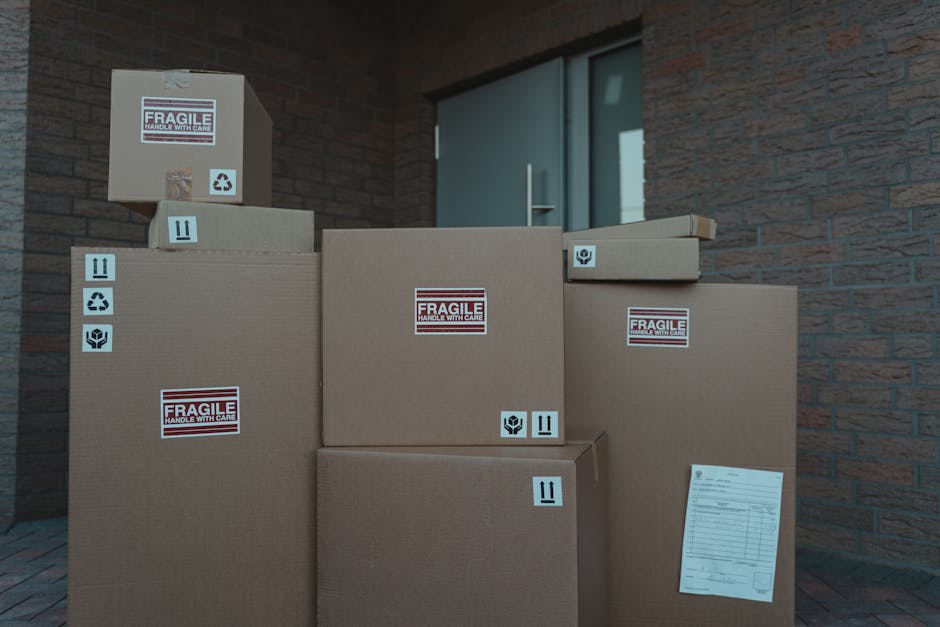
If you want a moving quote that actually reflects the real job, the detail you send matters. A vague "3-bed house, moving next week" can lead to guesswork, awkward surprises on moving day, and a price that changes once the van turns up. This guide on Get Accurate Dulwich Moving Quotes: What to Send Us explains exactly what information helps a mover price your move properly, whether you're planning a flat move, a family house relocation, or a small business transfer in Dulwich.
Think of it as the difference between a rough estimate and a quote you can trust. Send the right details now, and you save yourself the back-and-forth later. Simple, really. Well, simple once you know what to include.
In the sections below, we'll cover what to send, why it matters, how the quoting process works, and the common mistakes people make when asking for moving prices. You'll also find a practical checklist, a comparison table, and a few real-world examples so you can prepare your enquiry properly the first time.
Why Get Accurate Dulwich Moving Quotes: What to Send Us Matters
Moving quotes are only as accurate as the information behind them. That's not marketing fluff; it's just how removals work. A mover needs to understand the size of the property, access at both addresses, the amount of furniture, whether anything is fragile or heavy, and how much packing support you want. Miss out one or two important details and the quote can become more of a placeholder than a useful price.
This is especially true in Dulwich, where homes can vary a lot. You might be moving from a compact flat near the station, a larger period house with narrow staircases, or a townhouse with parking restrictions that make loading a bit fiddly. One job may be straightforward. Another may need extra labour, more time, or a different vehicle. The quote needs to reflect that reality.
There's also the trust factor. A clear quote helps you compare moving companies fairly. If one mover has detailed information and another has barely any, their prices won't mean the same thing. You could be comparing apples with pears. Or apples with a van full of boxes and a sofa that won't fit round the bend.
Accurate quote information helps with planning too. It supports the right vehicle choice, the right number of movers, and the right timing. That matters whether you're booking a full household move, a home move, or a smaller job that might suit man and van support. If you've got office equipment or a work relocation, the same principle applies when comparing office relocation services or broader commercial moves.
Expert summary: The more clearly you describe the property, access, volume, and special items, the more useful your moving quote will be. Good quote details reduce surprises, make pricing fairer, and help the move run smoothly on the day.
How Get Accurate Dulwich Moving Quotes: What to Send Us Works
The quoting process is usually a mix of your information and the mover's practical judgement. You send a description of the move, the company reviews it, and then they price the likely time, labour, vehicle size, and any extra services. If needed, they may ask a follow-up question or suggest a survey.
Here's the basic flow in plain English:
- You describe the move. That usually means property type, address areas, moving dates, and what needs moving.
- The mover checks logistics. They look at access, stairs, parking, lift use, loading distance, and whether the job looks simple or complex.
- Extra services are added if needed. Packing help, dismantling, storage handling, or specialist transport can all affect the final price.
- A quote is issued. Depending on what you send, this may be a rough estimate or a firmer fixed quote.
That distinction matters. A rough estimate gives a starting point. A fixed quote should be much closer to the final cost, assuming the details you gave were accurate. If you understate the volume, forget to mention a piano, or omit parking restrictions outside your home, the final job can be more complicated than expected.
To make the process easier, many people send photos, a quick room-by-room list, and notes about awkward items. A couple of pictures can be surprisingly useful, especially for a stair-heavy Dulwich house or a narrow hallway where a wardrobe needs to turn sideways. You don't need to stage a perfect showroom. Just be honest and clear.
For people who need help with packing, it's worth mentioning that early as well. A quote for transport only is different from one that includes packing and unpacking services. Same move, different level of labour. That can change the whole shape of the booking.
Key Benefits and Practical Advantages
Sending the right information upfront sounds a little tedious at first, but it pays off quickly. The main advantage is accuracy. The second is confidence. You know what you're paying for, and the mover knows what they're walking into. No drama. No "oh, we didn't realise there were 28 boxes in the loft".
- Better pricing accuracy: the quote reflects your actual move rather than a broad guess.
- Fewer surprises: hidden stairs, parking issues, or oversized items are factored in earlier.
- Faster response times: well-prepared enquiries usually need fewer follow-up questions.
- Better vehicle planning: the right truck, van, or crew size can be assigned first time.
- Smoother moving day: more accurate planning tends to mean fewer delays and less stress.
There's a practical benefit that often gets missed: a clear enquiry can help you choose the right service level. A single-room move might suit a lighter solution, while a larger family relocation may be better handled by house removalists. If you need to move a large item rather than a whole property, you may only need furniture pick-up or a removal truck hire option. That's the kind of detail that helps you avoid overpaying for more service than you need.
And yes, it helps movers too. Better briefings mean fewer wasted trips and less guesswork. That generally makes the whole process more efficient, which is good for everyone involved. The person on the staircase with the sofa will thank you.
Who This Is For and When It Makes Sense
This approach makes sense for almost anyone planning a move, but it's especially useful if your situation has a few moving parts. If your property has access restrictions, if you're comparing several quotes, or if you have items that need special handling, the quality of your information becomes much more important.
It's a good fit for:
- homeowners moving within Dulwich or to another part of London
- tenants leaving flats with stair-only access or limited parking
- families moving from larger homes with many rooms and mixed contents
- small businesses relocating desks, files, and office equipment
- people needing help with bulky items, such as wardrobes, sofas, or white goods
- customers choosing between a man and van style move and a larger removal vehicle
It's also useful if you're not moving everything in one go. Maybe you're sending some items into storage, passing furniture on to family, or only relocating the essentials first. In that case, explaining the split clearly helps the mover understand whether you need a simple delivery run, a full domestic move, or something more flexible.
For smaller, lighter jobs, services like man with van can be a practical match. For larger, more structured moves, a bigger vehicle or specialist crew may make more sense. There's no prize for squeezing a big job into a tiny setup if it just causes problems later.
Step-by-Step Guidance
If you want the clearest possible moving quote, send your details in a structured way. You don't need to write a novel. A simple, well-organised message is usually enough.
- Start with the addresses. Include both pickup and drop-off locations, plus postcode if you have it.
- Describe the property type. Say whether it is a flat, maisonette, terraced house, semi-detached house, office, or commercial space.
- List the rooms or areas involved. A short room-by-room summary works well.
- Mention large or awkward items. Sofas, wardrobes, beds, mirrors, appliances, desks, and fragile pieces all matter.
- Explain access. Include floor level, lift availability, narrow staircases, long walks from the van, gated entry, or parking limits.
- Share the moving date and flexibility. Weekend, weekday, end-of-month, or short-notice moves may change availability.
- Add packing requirements. State whether you are packed and ready, need full packing support, or only need help with fragile items.
- Flag special handling needs. If anything is heavy, delicate, or hard to dismantle, say so early.
- Tell us about storage or split moves. If you need items collected from one place and delivered to another later, mention that.
- Send photos if possible. A few clear images of the main rooms, access points, and larger items can make a big difference.
Here's a simple example of a useful enquiry: "Two-bedroom flat in Dulwich, second floor, no lift, parking is tight outside, moving to a house with easy access, mostly packed, includes bed frame, dining table, sofa, washer, 18 boxes, and a large mirror." That is the sort of message that lets someone price the job sensibly.
If your move is commercial rather than domestic, the same logic applies. A brief outline of desks, chairs, filing cabinets, IT kit, and access times is often enough to start a sensible discussion around office relocation services or broader business moves.
Expert Tips for Better Results
Over the years, one pattern shows up again and again: the best quotes come from the clearest enquiries. Not the fanciest ones. Not the longest ones. Just the clearest. A few small details can tighten the price far more than people expect.
Be honest about volume
People often undercount boxes. To be fair, that's very human. You look around and think, "Surely it's not that much." Then you start stacking everything together and suddenly the hallway looks like a small warehouse. If in doubt, overestimate slightly rather than understate.
Describe access like you're guiding a friend
Don't just say "easy access" unless it really is. Mention the real-world stuff: steps at the front door, a narrow landing, a lift that's small, a shared driveway, or a permit zone. A mover can work with difficult access, but only if they know about it first.
Send pictures of the awkward bits
A clear photo of the tight stair turn, the oversized wardrobe, or the packed shed can answer questions before they're even asked. One picture can save three emails. That's not magic, just efficiency.
Separate must-move items from optional items
If some furniture may be left behind, sold, or given away, say so. It helps the mover decide whether a smaller truck or simpler service would do the job. If you only need help shifting one or two bulky items, a lighter service might be enough.
Ask what the quote includes
This one matters. Does the price include labour only, or labour and vehicle? Does it cover loading and unloading? Is packing included? Are there charges for stairs, waiting time, or dismantling? A fair quote should make the scope plain.
And here's the slightly boring but useful bit: keep your notes together in one message where possible. A dozen scattered texts, voice notes, and half-sent photos can slow everything down. One tidy enquiry usually gets the best response. Not glamorous, but it works.
Common Mistakes to Avoid
Most quote problems come from the same handful of mistakes. None of them are rare, and none of them are disastrous on their own. But stack a few of them together and the result can be a stressful moving day.
- Leaving out major items: forgetting to mention a big sofa, treadmill, or heavy cabinet can throw off vehicle planning.
- Ignoring access issues: parking, stairs, and lift restrictions are easy to overlook but hard to ignore on the day.
- Being vague about dates: "sometime next month" is less useful than a real target window.
- Not saying whether you're packed: a fully packed move is very different from one where boxes still need to be made.
- Hiding awkward details: damaged packaging, fragile antiques, or hard-to-move furniture need to be flagged early.
- Comparing price only: the lowest quote is not always the best value if it excludes essential work.
A particularly common one is assuming that "just a few items" means a small job. Sometimes it does. Sometimes those few items are large, heavy, and impossible to carry safely without extra help. The devil is in the detail, as they say, and in removals that detail often lives in the staircase, not the spreadsheet.
Tools, Resources and Recommendations
You do not need specialist software to prepare a strong quote request. A few ordinary tools are enough.
- Phone camera: take pictures of rooms, access points, and large furniture.
- Notes app: list items room by room so nothing gets missed.
- Simple floor plan sketch: useful for larger homes, offices, or awkward layouts.
- Calendar: keep your preferred moving dates and backup options clear.
- Labels or sticky notes: helpful when you want to separate items for storage, donation, or special handling.
If your move involves large or heavy items, it can also help to think ahead about the vehicle and loading space you may need. For instance, some jobs are best suited to a moving truck, while others may only need a smaller van setup. If you are hiring vehicle capacity without a full crew, removal truck hire may be relevant. It depends on the move, not just the postcode.
For house moves, especially when you want hands-on support from start to finish, browse home moves and house removalists to understand the kinds of services that may be available. If you only need a smaller-scale uplift, a simpler vehicle-and-labour arrangement may be enough. Useful to know before you commit.
Law, Compliance, Standards, or Best Practice
For most customers, the main compliance issue is less about legal fine print and more about practical duty of care. Movers should handle goods carefully, communicate clearly, and make reasonable plans for access, lifting, and transport. Customers, in turn, should give honest information so the service can be delivered safely and fairly.
In UK removals, good practice usually means:
- being clear about what needs to be moved and what does not
- not misrepresenting access, volume, or item weight
- checking what is included in the quote before booking
- confirming timing, address details, and parking constraints
- raising any fragile, valuable, or unusual items early
If you are moving out of a rented home, it is also sensible to keep your landlord or agent informed about timing and access arrangements. That's not a legal lecture; just common sense, really. A missed lift booking or parking mismatch can turn a calm morning into a bit of a scramble.
For data and privacy, keep your personal details limited to what is needed for the quote. If you are sharing photos, make sure they only show what helps the mover assess the job. And if you want to understand how a provider handles your information, it is worth reading their privacy policy and terms and conditions. That is just good housekeeping.
Options, Methods, or Comparison Table
Different move types need different levels of detail. The table below shows how quote requests usually differ depending on the job.
| Move type | What to send | Why it helps | Best when |
|---|---|---|---|
| Small local move | Room count, boxes, main furniture, access details | Lets the mover estimate labour and van size quickly | You are moving a few rooms or a studio/flat |
| Full house move | Inventory, packing needs, large items, stairs, parking, dates | Supports more accurate timing and crew planning | You are relocating a whole home |
| Office move | Desk count, IT equipment, filing, access hours, fragile items | Helps reduce disruption and plan the right sequence | You need a business or team relocation |
| Single-item collection | Item dimensions, pickup and drop-off points, access notes | Prevents over- or under-sizing the job | You only need one large item moved |
| Truck or vehicle hire | Volume, loading help required, route constraints, time window | Helps match the vehicle to the move efficiently | You already have labour arranged or need transport only |
If you are unsure which route fits your move, that is normal. A lot of people only discover the right service once they've described the job properly. You do not need to know the technical label before you ask. Just describe what you need, clearly and honestly, and let the quote take shape from there.
Case Study or Real-World Example
Let's use a realistic example. A couple in Dulwich were moving from a two-bedroom flat on the second floor into a house a short drive away. Their first message was brief: "Need a quote for a flat move." That was too thin to be useful. No floor level, no lift details, no item list, no date.
They then sent a clearer summary: two bedrooms, one sofa, one double bed, one wardrobe, dining table, two bookcases, fridge freezer, around 20 boxes, second-floor flat with no lift, parking on a side road, and a preferred move date at the end of the month. They also added that the bed would need dismantling and the dining table was glass-topped.
That second version changed everything. It gave a far better sense of time, labour, vehicle size, and handling needs. It also highlighted a few things that could slow the move down, such as stairs and dismantling work. That is the kind of detail that turns a rough estimate into a practical quote.
Another common scenario is a small office move. A local business might only have a few desks, monitors, filing cabinets, and boxed documents, but if the lift access is limited and the team needs to stay operational, the quote still needs proper detail. In that case, the company might explore commercial moves or dedicated office relocation services rather than treating it as a simple van job.
That is the real lesson here. The best quote is not the quickest one. It is the one that matches the move you actually have.
Practical Checklist
Use this checklist before you ask for a quote. It will save time, and probably a few follow-up messages too.
- Pickup and delivery addresses
- Preferred moving date and any flexibility
- Property type and floor level
- Lift availability or stair access
- Parking restrictions or loading distance
- Room-by-room item list
- Large, heavy, or fragile items
- Furniture that needs dismantling or reassembly
- Whether packing is already done
- Any items going to storage, donation, or another address
- Photos of the main rooms and awkward access points
- Any special timing needs, such as early morning or weekend
Quick reminder: if you are moving just one or two bulky pieces, say so. If you are collecting an item after a purchase, the setup may be closer to a furniture pick-up than a full domestic removal.
Send the details once, send them well. That usually gets you a better response than trying to patch the picture together later.
Conclusion
The fastest way to get a useful moving quote is to give the mover the information they actually need. Property details, item lists, access notes, dates, and packing requirements all shape the price. When those pieces are clear, the quote becomes more accurate, the move becomes easier to plan, and you are less likely to face awkward surprises on the day.
If your move is small, simple, or only partly packed, say that. If it is complex, cramped, or full of awkward furniture, say that too. Honesty and detail work better than optimism here. Every time.
If you are ready to compare options, take a moment to gather the facts first. Then you can make a proper decision, not a rushed one. That small bit of prep can make a surprisingly big difference. In moving, as in life, the tidy version usually wins.
Get a free quote today and see how much you can save.
Frequently Asked Questions
What should I send first when asking for a moving quote?
Start with both addresses, the moving date, the property type, and a basic list of the main items. That gives the mover enough context to begin pricing the job properly.
Do photos help with getting an accurate Dulwich moving quote?
Yes, they often help a lot. Photos of large furniture, staircases, hallways, and parking access can prevent guesswork and make the quote more reliable.
Should I include every box in my quote request?
If you can, yes. If not, give a realistic estimate. Even a rough box count is better than leaving it out entirely, because it affects labour and space planning.
What if I do not know the exact moving date yet?
Give your best estimate and mention the date range. Movers can usually work with a flexible window, especially if you are transparent about it from the start.
How do I know whether I need a man and van or a full removal service?
It depends on the amount of furniture, the number of rooms, and how much help you need. Smaller, simpler jobs may suit man and van support, while larger homes often need a fuller service.
Will stairs or parking restrictions change my quote?
Usually, yes. Difficult access can affect timing, labour, and vehicle positioning, so it is important to mention any stairs, narrow hallways, permit zones, or loading restrictions.
Do I need to mention furniture that must be dismantled?
Absolutely. Items that need dismantling or reassembly take more time and planning, so they should be included in the quote request.
Is a fixed quote better than an estimate?
A fixed quote can be more reassuring, but only if the information you gave was accurate. Estimates are useful for early planning; fixed quotes are better when the move details are clear.
Can I get a quote for just one or two items?
Yes. A single-item or small-load quote can be very straightforward, especially if you include dimensions, access notes, and pickup and delivery points.
What details matter most for office moves?
Desk count, chairs, IT equipment, filing, fragile items, access times, and any need to keep the business running during the move. Those details help shape the plan and price.
Should I mention packing if I am only partly packed?
Definitely. A partially packed move is different from a fully packed one, and it helps the mover understand whether extra packing support may be needed.
How can I make sure the quote is fair?
Be specific, compare like with like, and ask what is included. A fair quote should clearly explain the scope of work, the vehicle or crew involved, and any likely extras.
Where can I learn more about the company before booking?
You can review the about us page for background and service details, and use the contact us page when you are ready to send your move information.