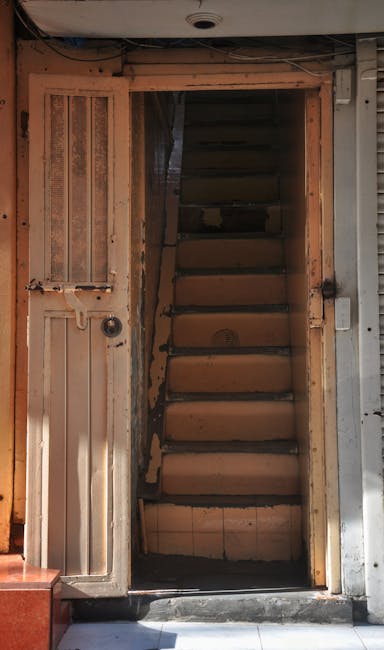
Handling Narrow Stairs in West Dulwich Flats
Narrow staircases can turn a simple move into a slow, careful, slightly nerve-wracking job. If you live in a West Dulwich flat, you may already know the feeling: a tight turn at the bottom, a bannister that seems designed to catch every corner, and one awkward pause halfway up where everyone has to rethink the angle. Handling Narrow Stairs in West Dulwich Flats is really about planning the move so your furniture, your walls, and your nerves all come through in one piece.
This guide breaks down the practical side of moving through cramped stairwells in older London flats. You will find advice on measuring access, choosing the right lifting method, reducing damage risk, and deciding when it makes more sense to use storage or professional help. If you are comparing options, it may also help to look at the team and approach behind our local storage and moving support, or get in touch through the contact page if you want to discuss a tricky access situation directly.
Table of Contents
- Why Handling Narrow Stairs in West Dulwich Flats Matters
- How Handling Narrow Stairs in West Dulwich Flats Works
- Key Benefits and Practical Advantages
- Who This Is For and When It Makes Sense
- Step-by-Step Guidance
- Expert Tips for Better Results
- Common Mistakes to Avoid
- Tools, Resources and Recommendations
- Law, Compliance, Standards, or Best Practice
- Options, Methods, or Comparison Table
- Case Study or Real-World Example
- Practical Checklist
- Conclusion
- Frequently Asked Questions
Why Handling Narrow Stairs in West Dulwich Flats Matters
In many West Dulwich flats, the staircase is not just a route between floors. It is the bottleneck. A sofa can fit in your hallway on paper, then suddenly become impossible once it reaches the first bend. A wardrobe that looked manageable in the van may become a serious hazard when you try to tilt it near a low ceiling or a tight landing. That is why stair access matters so much: it affects safety, timing, cost, and whether the move feels controlled or chaotic.
Older London properties often have character, but character comes with quirks. Narrow treads, steep rises, tight turns, and narrow front doors all make the job trickier. Add parked cars outside, shared entrances, or neighbours needing access, and even a small move can require a surprising amount of coordination. Truth be told, the stairs are often the part that decides everything.
The practical impact is bigger than people expect. Poor handling can lead to dents in plaster, scratched banisters, strained backs, chipped furniture, or items simply not making it upstairs at all. And then there is the emotional side. Moving day is already noisy, busy, and a bit emotional; you do not want it turning into a stand-off with a chest of drawers halfway up the stairwell.
Handled properly, though, narrow stairs stop being a problem and become a known constraint. Once you know the route, the measurements, and the right technique, the move becomes much calmer. That calm matters.
Expert summary: Narrow stair handling is less about brute strength and more about preparation, angle control, and protecting both the property and the items being moved.
How Handling Narrow Stairs in West Dulwich Flats Works
At its simplest, handling narrow stairs means moving furniture or belongings through a restricted vertical route without damage or injury. In practice, that usually involves a sequence of decisions rather than one dramatic lift. You measure the item, measure the access, identify the tightest point, choose the safest angle, and decide whether to carry, tilt, dismantle, or temporarily store the item before the move.
The process often starts at the front door or shared entrance, not the stairs themselves. A lot of difficulty comes from the full route: doorway width, hallway corners, stair width, ceiling height, and the landing space needed to pivot. One awkward right angle can matter more than the staircase width alone. If a turn is too tight, an item may need to be removed from its legs, taken apart, or moved in sections.
Professional movers usually work in pairs or teams for exactly this reason. One person guides the top, another controls the base, and a third may spot for walls, lights, and bannisters. Communication is everything. "Up a bit, hold there, rotate now" sounds simple, but in a tight stairwell those few words can save a lot of grief. Sometimes the whole operation feels like a very careful dance, just with more bubble wrap.
In some cases, it makes sense to move less through the stairs by storing bulky items temporarily. That is where nearby storage can reduce pressure, especially if your new flat is not quite ready or you are waiting on access. If that sounds familiar, the main site is a useful place to understand what support is available while you sort the moving plan.
Key Benefits and Practical Advantages
Good stair handling is not just about avoiding disaster. It creates a move that is faster, cleaner, and much easier to manage. Once the route is planned properly, you spend less time arguing with a bed frame and more time getting settled. Small win, but a real one.
- Lower damage risk: Careful angling and padding help protect walls, banisters, doors, and the furniture itself.
- Less physical strain: Tight stair moves are demanding. The right technique reduces awkward lifting and twisting.
- Better time control: When access is mapped in advance, moves usually run more smoothly and with fewer pauses.
- Fewer surprises: You spot problem items early, so you are not finding out at the landing that a wardrobe will not turn.
- More confidence on moving day: If you know the plan, the whole process feels far less stressful.
There is also a practical money angle. Avoiding damage, failed attempts, and repeated handling can reduce the need for repairs or emergency solutions. To be fair, the cheapest move is usually the one you only have to do once.
For flats in West Dulwich, the advantage is often about preserving both the building and your sanity. Older staircases are part of the charm, but they are rarely forgiving. A thoughtful method protects that charm instead of testing it.
Who This Is For and When It Makes Sense
This approach is useful for anyone dealing with restricted access in a flat, but it is especially relevant if you are moving into or out of a period property, a maisonette, or a flat conversion with narrow communal stairs. It also matters if you are handling bulky home items: sofas, wardrobes, mattresses, desks, white goods, exercise equipment, or flat-pack furniture that was not really flat anymore once assembled.
It makes sense when:
- the staircase is narrow or steep;
- there are tight corners or awkward landings;
- you need to protect walls and paintwork;
- the item is too large for a normal carry;
- you are moving without a large team of helpers;
- you want to reduce the chance of damage or injury;
- you need storage as part of a staggered move.
It is also relevant for landlords, letting agents, and tenants planning end-of-tenancy moves. If access is tight, sorting the logistics early avoids last-minute friction. Honestly, the earlier you look at the stairs, the better the day usually goes.
If you are unsure whether a move is realistic through the stairwell, it can help to speak to a local team who understands small-space access and can advise on the next steps. A quick conversation can save a lot of guesswork later.
Step-by-Step Guidance
Here is a practical way to deal with narrow stairs in a West Dulwich flat without overcomplicating it. It is not glamorous, but it works.
- Measure the item first. Record width, height, depth, and any parts that stick out, such as handles or feet. For beds and wardrobes, measure the item both assembled and dismantled.
- Measure the route. Check the narrowest point on the staircase, the landing width, ceiling height, door frames, and any turns. Do not forget radiators, light fittings, or banisters.
- Identify the pinch points. The tightest part is often a corner, not the stair width itself. A landing turn can be the real problem.
- Decide whether to dismantle. Many items move more safely in parts. Remove drawers, legs, doors, shelves, or headboards where possible.
- Protect surfaces. Use padding, blankets, corner guards, or simple cardboard sheets on vulnerable edges and walls.
- Plan the lift path. Decide who is carrying, who is spotting, and where each pause point will be. Keep it simple and verbal.
- Move slowly and rotate early. Tight stair moves are usually easier if you begin turning before the item reaches the corner, not after.
- Stop if the angle looks wrong. Pushing harder is not the answer. Step back, reset, and try a different orientation.
- Use storage if needed. If one item is blocking the whole move, temporary storage may be the least stressful option.
A small note from real life: the item that "should be fine" is often the one that causes the headache. It is rarely the obvious problem child. The random sideboard with bulky handles? That one, usually.
Expert Tips for Better Results
Experienced movers tend to think in terms of friction, balance, and route control rather than speed. That is a good mindset to borrow. Slow and steady often wins here, even if it feels slightly overcautious at first.
Tip 1: Start with the awkward items
Do the hardest item first, while everyone still has energy and patience. If a wardrobe will not fit, you want to know that early, not after you have emptied half the flat.
Tip 2: Keep the stairwell clear
It sounds obvious, but clutter on the stairs causes more problems than people expect. Shoes, bags, recycling, plant pots, laundry baskets - out of the way. One missed item can turn a careful carry into a stumble.
Tip 3: Use a spotter for corners
A spotter does not lift; they guide. Their job is to watch the wall, the ceiling, the bannister, and the person carrying. This is especially useful in West Dulwich flats where stairwells can be narrow and shared.
Tip 4: Protect hands and grip points
Moving straps, gloves, and proper grip points matter more than they seem to at first glance. A slippery hold on a painted table leg is a recipe for that horrible little scrape sound you never want to hear.
Tip 5: Leave room for pauses
Plan for breaks on landings if the staircase allows it. A short pause to reset the angle is better than forcing a corner. No medal for rushing this bit.
A gentle reminder: if a piece looks nearly impossible, it probably deserves a second look rather than a stronger shove. That little pause can save the day.
Common Mistakes to Avoid
Most stair-move problems come from predictable mistakes, which is the annoying part. The good news is they are avoidable once you know what to watch for.
- Skipping measurements: Guessing is risky. Measure the item and the route.
- Forgetting about turns: Many people measure width but ignore the landing rotation needed to make the item fit.
- Not dismantling bulky furniture: A few minutes with a screwdriver can save a failed carry.
- Overloading one person: Narrow stairs demand control, not heroics.
- Ignoring walls and corners: Paintwork and plaster are often more fragile than expected.
- Trying to force a dead end: If it does not fit, back out and reset. No shame in that.
- Leaving the route cluttered: Even small obstacles create risk when visibility is poor.
There is a certain stubbornness people get on moving day. I get it. But a confident step back is usually smarter than a dramatic final push. The staircase is not impressed by bravado.
Tools, Resources and Recommendations
You do not need specialist kit for every move, but the right tools can make narrow stair handling safer and far less stressful. The trick is to use tools that improve control, not just strength.
| Tool or Resource | What It Helps With | Best Used For |
|---|---|---|
| Moving blankets | Protecting furniture, walls, and bannisters | Large items, painted surfaces, delicate finishes |
| Furniture sliders | Reducing dragging and floor scuffs | Preparing items before they reach the stairs |
| Ratchet or lifting straps | Improving grip and load control | Bulky items with awkward weight distribution |
| Padding and corner guards | Preventing chips and scrapes | Tight turns, narrow landings, door frames |
| Basic tools for dismantling | Removing legs, shelves, or doors | Wardrobes, beds, tables, modular furniture |
| Temporary storage | Breaking a move into stages | Staggered moving dates, access delays, excess furniture |
For most people, the smart combination is simple: measure, dismantle where needed, protect the route, and use help for the bulky stuff. If the move is part of a wider transition, storage can reduce pressure and keep the flat functional while you sort the rest. You can also review the terms and conditions before booking anything, and check the privacy policy if you are sharing details online.
One practical recommendation: keep a small toolkit and a roll of tape close by on moving day. Not glamorous, but very handy when a shelf needs removing or a blanket needs fixing in place.
Law, Compliance, Standards, or Best Practice
Handling narrow stairs is not usually about legal drama, but it does sit within normal UK expectations around safety, care, and access. If you are a tenant, landlord, or managing agent, you should think carefully about preventing avoidable damage and avoiding unsafe lifting conditions. If the building is shared, courtesy matters too. Neighbours need access, and communal areas should not be blocked for longer than necessary.
Where lifting is involved, good practice is to avoid unsafe manual handling. That means not taking unnecessary risks, not lifting beyond your ability, and using proper technique and support. It also means planning the work so people are not twisting under load or carrying items they cannot properly see around.
For flats in older buildings, it is also sensible to check lease or building rules that may affect move timings, hallway use, or protection of communal areas. Those details are not exciting, admittedly, but they prevent arguments later. If you are booking a service and want to understand how details are handled, the relevant policies on the site, including privacy information and booking terms, are worth reading.
Best practice is straightforward: communicate early, protect the property, keep escape routes clear, and stop if something feels unsafe. That is the standard most sensible people would want in their own building anyway.
Options, Methods, or Comparison Table
There is more than one way to handle a narrow stair problem. The right choice depends on the item, the building, the timing, and how much risk you are willing to accept. Here is a clear comparison.
| Method | Best For | Pros | Limits |
|---|---|---|---|
| Carry as-is | Small or light items | Fast, simple, no dismantling | Risky for bulky or awkward furniture |
| Dismantle and reassemble | Wardrobes, beds, desks | Often easier on narrow stairs, safer corners | Takes time and tools, some items are fiddly |
| Two-person controlled carry | Medium-to-large items | Better balance and communication | Needs coordination and enough landing space |
| Temporary storage first | Staggered moves or access issues | Reduces pressure, adds flexibility | Extra planning, may require separate handling |
| Professional handling | Tricky access or high-value items | Experience, equipment, efficient route planning | Costs more than doing it yourself |
In practice, many people use a mix of these methods. A few boxes are carried up directly, while one awkward item gets dismantled or stored. That mixed approach is often the most realistic one.
Case Study or Real-World Example
Here is a very typical example. A couple moving into a top-floor West Dulwich flat had a sofa, a bed frame, and a wardrobe to get upstairs. The sofa looked manageable from the street, but the stairwell had a tight bend halfway up and a low ceiling on the landing. Rather than force it and risk damage, they measured the access properly, removed the sofa feet, and moved the largest items first while everyone was fresh.
The wardrobe was the real issue. Once measured against the stairwell, it became clear it would not make the turn intact. Instead of spending an hour trying to persuade it, they dismantled it before moving day and stored the doors separately. That kept the stairwell clear, reduced the chance of scuffs, and made the move feel much less frantic.
The lesson? The winning move was not strength. It was deciding early what should go through the stairs, what should be broken down, and what should be held back. A sensible plan, and a calm one. That counts for a lot on a busy day.
Practical Checklist
Use this checklist before you start. It is simple, but it catches the things people most often forget.
- Measure every large item, including handles, feet, and protrusions.
- Measure stair width, landing space, doorway width, and ceiling height.
- Check for tight corners, radiators, light fittings, and bannisters.
- Decide which items should be dismantled before moving.
- Set aside blankets, padding, tape, and basic tools.
- Clear hallways, stairs, and landings of clutter.
- Assign roles if more than one person is helping.
- Protect walls, door frames, and fragile surfaces.
- Plan where items will pause, rotate, or rest safely.
- Arrange temporary storage if the move needs to happen in stages.
- Review any building or tenancy rules that affect access.
- Keep a phone handy in case you need to coordinate timing or arrival.
Quick takeaway: if the item, the route, and the helpers are all planned before the first lift, the rest of the move usually becomes much more manageable.
Conclusion
Handling narrow stairs in West Dulwich flats is not really about wrestling furniture through impossible spaces. It is about reading the building well, preparing properly, and using the right method for the route in front of you. Once you stop treating the staircase like an afterthought, the whole move gets easier. Less stress. Less damage. Fewer awkward pauses on the landing.
Whether you are moving a single bed frame or a full flat's worth of belongings, the best results usually come from a combination of measurement, patience, and practical judgement. Sometimes that means dismantling. Sometimes it means storage. Sometimes it means calling in help before the heavy stuff becomes a headache.
If you want to explore next steps, learn more about the team on the about us page or reach out through the contact page for a straightforward conversation about your access needs.
Get a free quote today and see how much you can save.
With the right plan, even a tight stairwell can feel a lot less like an obstacle and more like just another part of the day.
Frequently Asked Questions
What is the best way to handle narrow stairs in a West Dulwich flat?
The best approach is usually to measure the item and the staircase, dismantle anything bulky where possible, protect the route with padding, and move slowly with clear communication. If the item is awkward, storage or professional help may be the safer choice.
Should I dismantle furniture before taking it up narrow stairs?
Yes, if the item has removable parts and the staircase is tight. Beds, wardrobes, and large tables often become much easier to move once legs, doors, drawers, or headboards are removed.
How do I know if a sofa will fit up the stairs?
Measure the sofa at its widest and tallest points, then compare that with stair width, landing turns, and ceiling height. The corner or turn is often the deciding factor, not the straight section of stairs.
What if my furniture is too big for the stairwell?
If it cannot fit safely, do not force it. You may need to dismantle it, move it in parts, use temporary storage, or choose a different item for the space. Forcing it usually ends badly.
Are narrow stairs a common issue in older West Dulwich flats?
They can be, especially in period conversions and smaller upper-floor flats. Older properties often have characterful layouts, but that can mean narrow access and tight landings.
Can I move everything myself if the stairs are narrow?
Sometimes, but it depends on the item weight, shape, and your own ability. Light boxes may be fine. Bulky or heavy furniture is usually safer with a second person or professional support.
How can I protect the walls and bannisters?
Use blankets, corner guards, cardboard, or similar padding on the route. Move slowly, keep the item under control, and assign someone to spot for tight corners and vulnerable edges.
Is storage useful if I cannot move everything in one day?
Yes. Temporary storage can make a staggered move much easier, especially if access is awkward or the flat is not fully ready yet. It helps reduce pressure and keeps the move more organised.
Do I need to check any building rules before moving items through narrow stairs?
It is wise to do so. Shared buildings may have rules about access times, hallway use, or protecting communal areas. A quick check can prevent unnecessary problems on the day.
How far in advance should I plan for narrow stair access?
As early as possible. Even a basic measurement check a few days ahead is better than discovering a problem when the van is already outside and everyone is standing in the doorway.
What is the biggest mistake people make with narrow stair moves?
The biggest mistake is usually assuming the item will fit without measuring the full route. The second biggest is trying to force a piece around a corner that is obviously too tight. Both are avoidable, thankfully.
Where can I get help if my flat access is especially tricky?
If you need guidance for a difficult move, the most useful next step is to speak with a local team that understands access problems, storage, and careful handling. You can start by visiting the homepage or using the contact page.