How We Moved a Dulwich Family From College Road in a Day
If you have ever tried to move a family home in London, you will know the feeling: boxes everywhere, a kettle packed too early, someone asking where the charger went, and a staircase that suddenly looks twice as narrow as it did yesterday. This is the story of how we moved a Dulwich family from College Road in a day-and, more importantly, what made it possible without turning the day into a small disaster.
One-day removals are not magic. They are planning, timing, fit-for-purpose transport, and a team that knows how to keep a move moving when the clock starts to bite. In this guide, we break down what actually happens, why it matters, and how to approach a same-day house move in Dulwich with far less stress. Whether you are preparing for a local move, comparing removal options, or simply trying to understand what a realistic moving day looks like, this article will give you the practical detail you need.
There is a lot going on in a move like this. School runs, parking restrictions, fragile items, awkward furniture, the weather doing its own thing. You get the idea. So let's walk through it properly.
Why How We Moved a Dulwich Family From College Road in a Day Matters
Same-day moves matter because family life rarely pauses for a removal van. In Dulwich, where roads can be busy, parking can be tight, and houses often have their own quirks, a poorly planned move can drag on far longer than expected. A one-day move is not just about speed. It is about reducing disruption, keeping children settled, protecting belongings, and giving everyone a clean handover between old and new home.
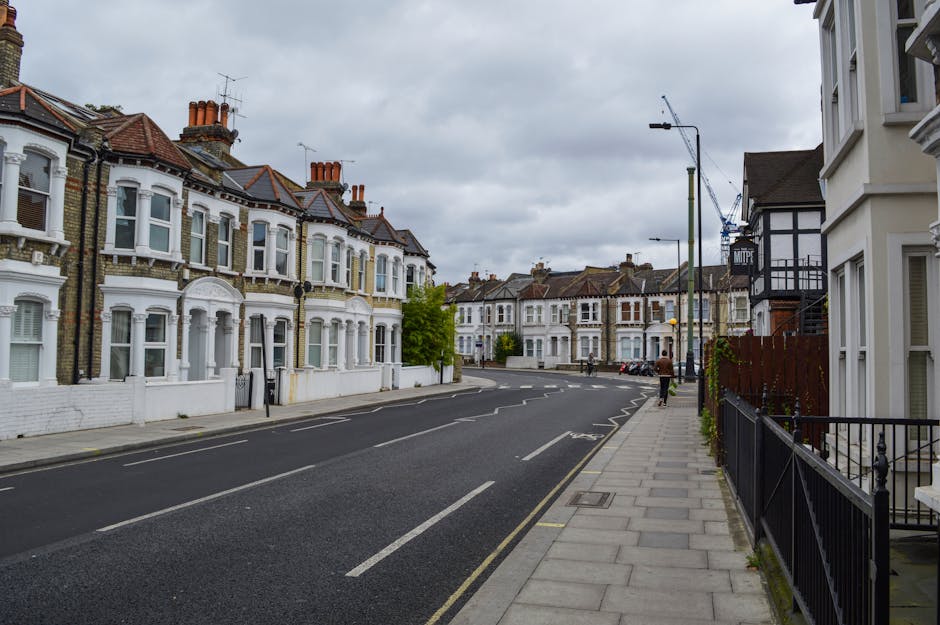
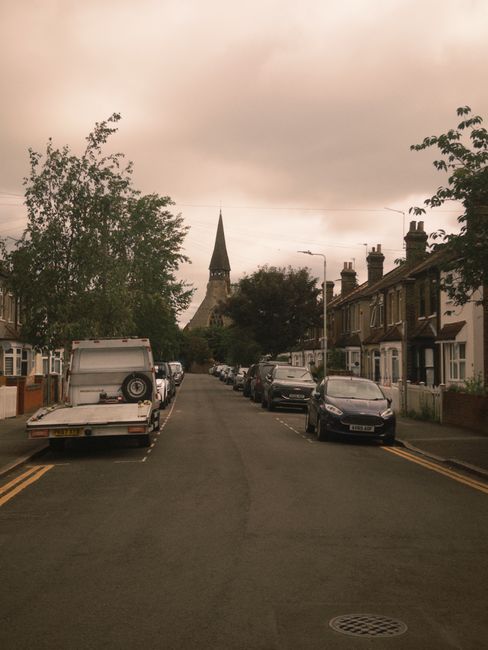
College Road is a good example of the kind of street where details matter. Even if the distance to the new property is short, the logistics can be surprisingly complex. Think about access, loading space, neighbours, narrow hallways, and how long it takes to carry furniture safely rather than just quickly. Truth be told, a short local move can sometimes be trickier than a longer one if the timing is not sorted.
For families, the stakes are higher. You are not moving a few boxes from a flat. You are moving wardrobes, beds, toys, kitchenware, school items, maybe a pram, maybe a TV that someone insists is "very delicate," and probably a few things nobody remembered until the last minute. So when people ask whether a family home can really be moved in a day, the honest answer is yes-if the plan is solid.
The real value here is not just speed. It is control. A good same-day move helps you keep the day structured, avoid overpaying for wasted labour, and reduce the emotional drag that comes with living out of boxes for too long. That alone is worth something.
How How We Moved a Dulwich Family From College Road in a Day Works
A one-day removal usually works best when the whole job is treated like a sequence, not a single event. Packing, access, loading, travel, unloading, and placement all need to run in order. If one part slips, the whole day starts to wobble.
In a move like this, the team would normally begin with a clear pre-move assessment. That includes the size of the property, the number of rooms, any large items, where the van can safely stop, and whether there are stairs, long carries, or fragile pieces that need extra care. You would be surprised how often the difference between a smooth move and a stressful one comes down to the first ten minutes of planning.
On the day itself, the process is usually straightforward but disciplined:
- Early arrival and walkthrough: confirm what is going, what stays, and any fragile or priority items.
- Protective preparation: use blankets, straps, wraps, and floor protection where needed.
- Loading by order: bulky items, then boxed items, with fragile goods placed securely.
- Transit to the new address: keep the route efficient and avoid unnecessary waiting.
- Unloading and room placement: place items where they belong, not just inside the front door.
- Final check: make sure essentials are accessible and nothing has been left behind.
The best day moves are calm on the surface and busy underneath. There is a rhythm to it. The van door opens, furniture moves out, the new rooms slowly become homes again. By lunchtime, ideally, you can already feel the chaos easing off. Not always perfectly, of course. But enough.
If the family has children, pets, or both, that rhythm matters even more. One person can manage a box count. A parent also has to manage lunch, nap time, missing shoes, and the fact that the dog has decided the hallway is now suspicious. Moving day, eh?
Key Benefits and Practical Advantages
A well-run same-day move offers more than convenience. For many families, it is the difference between a tiring day and a week-long headache. Here are the biggest practical advantages.
- Less disruption: You do not have to live between homes longer than necessary.
- Lower stress: A short, well-organised move is mentally easier to handle.
- Reduced risk of damage: Fewer handlings and less time spent juggling items can reduce mistakes.
- Better family routine: Children and routines settle faster when the move is contained to one day.
- More efficient budgeting: A tighter schedule can reduce wasted labour hours.
- Cleaner handover: Leaving one property and arriving at another in the same day is often simpler for keys, access, and coordination.
There is also a less obvious benefit: momentum. Once a move begins, people often want it finished. That sounds obvious, but it is a real psychological factor. The longer the move drags on, the more tired everyone gets, and the more likely it is that boxes end up in the wrong room or someone starts making decisions they regret later.
A same-day move can feel intense, but done properly it usually feels better than a stretched-out one. Less hanging around. Less second-guessing. More closure. To be fair, that emotional relief is often what families remember most.
Who This Is For and When It Makes Sense
This approach is ideal for families who already have a clear completion window, a relatively local move, and enough preparation done in advance. It is especially useful if:
- you are moving within Dulwich or nearby South London areas;
- you have a standard family home rather than a very large or heavily furnished property;
- you need to vacate quickly after completion or key handover;
- you want to minimise time off work or school;
- you prefer a single coordinated move instead of multiple trips.
It also makes sense for people who are naturally organised-or at least willing to be organised for a few days before the move. Let's face it, a one-day removal does not reward last-minute improvisation. If you have six half-packed cupboards and a garage full of mystery items, the day can slip away fast.
That said, not every move should be forced into one day. If you have a very large property, lots of specialist furniture, difficult access, or a long distance between homes, a two-day plan or partial packing support may be the better choice. A good removals plan should fit the property and the people in it, not the other way round.
Step-by-Step Guidance
1. Start with a realistic inventory
Before moving day, make a room-by-room list. It does not need to be perfect, but it should capture the big items, fragile items, and anything awkward to dismantle. Sofas, beds, wardrobes, mirrors, bikes, garden tools, and large boxes all need attention. The more accurate the list, the easier it is to estimate time and vehicle size.
2. Pack by priority, not by mood
Pack essentials separately: documents, chargers, toiletries, snacks, kettle, cups, medicines, and a change of clothes. Anything you will want in the first evening should not disappear into the general box mountain. Everyone says they will remember where the kettle is. Everyone is wrong.
3. Label clearly and consistently
Use labels that show the room and the contents. "Kitchen - mugs and kettle" works better than "misc.". If you can, add colour coding by room. This small step makes unloading much quicker and reduces the chance of boxes being left in the wrong place.
4. Measure access at both properties
Door widths, stair turns, driveway access, and parking distance all affect the day. A wardrobe that fits the room may still be a pain to carry through the hallway. Measure the awkward bits, not just the obvious ones.
5. Protect the high-value items
Wrap mirrors, TVs, artwork, and glassware properly. If something has sentimental value as well as financial value, treat it as fragile even if it looks sturdy enough. Sentimental damage is the worst kind, honestly.
6. Keep the first-load essentials separate
The first load should include the things you will need immediately at the new home. That usually means beds, bedding, the kettle, basic tools, and key kitchen items. Getting these unloaded first makes the house feel usable by the end of the day.
7. Leave time for the unexpected
Every move has one little surprise. A stuck leg on a table. A box that weighs far too much. A parking issue. A missing screw. Build in a margin, even if the schedule looks tight. That margin is not wasted time; it is what keeps the day from tipping over.
If you are moving from a road like College Road, where access and timing can matter a great deal, this step-by-step discipline is what keeps the move calm. Small things, repeated well, make a surprisingly big difference.
Expert Tips for Better Results
There are a few habits that separate an efficient family move from an exhausting one. None of them are flashy. They just work.
- Pack the "open first" box properly: Include tea bags, mugs, toilet roll, scissors, phone chargers, and a bin bag or two.
- Keep children's items visible: A favourite toy or nightlight can make the first night much easier.
- Disassemble furniture early: Do not wait until the van is outside to start taking apart a bed frame.
- Use soft items as padding: Towels and bedding can help protect lighter breakables.
- Group rooms logically: Kitchen with kitchen, bedrooms with bedrooms, garden items separate. Simple, but crucial.
- Communicate one clear decision-maker: Too many voices on move day can slow everything down.
One more thing: keep an eye on weather and timing. A dry, cool morning is easier than a warm, humid afternoon when everyone is already tired. In London, the forecast can change from bright to grey in the space of a coffee break, so a little flexibility helps.
And yes, if you have ever looked at a pile of boxes and thought, "How on earth did we collect this much stuff?" you are not alone. Families have a talent for creating objects. It is practically a superpower.
Common Mistakes to Avoid
Most moving problems are not dramatic. They are small, boring mistakes that stack up. The good news? They are easy to avoid once you know what to watch for.
Leaving packing until the last night
This is the classic one. Last-minute packing leads to poor labelling, mixed-up rooms, and unnecessary stress. It also means the remover is working around unfinished boxes, which slows everything down.
Underestimating parking and access
In Dulwich, parking can shape the whole day. If the van cannot stop close enough, every item takes longer to carry. That extra time adds up quickly, especially for a family home.
Not separating essentials
If the kettle, medicines, chargers, and important paperwork are buried in general boxes, the first evening becomes harder than it needs to be. Nobody wants to be hunting for toothpaste at 10pm.
Ignoring dismantling work
Large beds, wardrobes, and tables often need to come apart before loading. If you do not plan for this, the van may arrive ready before the furniture is.
Overfilling boxes
Heavy boxes are a strain to lift and more likely to split. Put books in smaller boxes and lighter items in larger ones. Simple rule, but people still break it all the time.
Assuming everything will fit without checking
Measure the sofa. Measure the doorway. Check the stair turn. It sounds fussy until the moment the sofa sticks halfway through and everybody goes quiet.
Tools, Resources and Recommendations
You do not need a huge toolkit to move well, but a few basics help a lot. A family move tends to run smoother when the right materials are ready before the first box leaves the house.
| Item | Why it helps | Best use |
|---|---|---|
| Marker pens | Clear labelling speeds unloading | Room labels and contents |
| Strong tape | Keeps boxes secure during transit | Sealing and reinforcement |
| Furniture blankets | Protects surfaces from scrapes | Sofas, tables, wardrobes |
| Bubble wrap or paper wrap | Protects fragile items | Glass, ceramics, frames |
| Basic toolkit | Speeds dismantling and reassembly | Beds, shelves, fixtures |
| Clear storage bags | Keeps screws and fittings together | Furniture hardware |
It also helps to prepare a simple floor plan for the new home, even if it is only a rough sketch. If the movers know where the sofa, beds, and dining table are going, unloading becomes cleaner and faster. A minute spent deciding now saves ten later.
For families with young children, keep a small day bag for each child. Water, snack, comfort item, and a spare layer. That small bit of preparation can prevent a lot of grumbling. Which, let's be honest, nobody needs more of on moving day.
Law, Compliance, Standards, or Best Practice
Moving a home in the UK is not usually about complex legal formalities, but there are still important standards and good practice points to respect. Parking, access, property handover, and safe handling all matter.
First, access and parking should be planned with care. If a van needs to stop near the property, make sure the arrangement is practical and lawful for the street. In busy residential areas, that often means checking the local parking situation in advance and allowing a bit of buffer time.
Second, moving teams should handle items safely. That means sensible lifting techniques, proper equipment, and using protection for furniture and floors where needed. It sounds basic, but the basics matter. A rushed lift or a poorly secured item can cause damage or injury very quickly.
Third, if you are moving items that need special care-such as appliances, antiques, or high-value electronics-best practice is to prepare them separately and tell the removals team in advance. Clear communication is the simplest form of risk management, and it works better than improvising on the pavement.
Finally, a well-run house move should leave both properties in a good state at handover. That means checking for forgotten items, cleared access routes, and no avoidable damage. It is the kind of detail that sounds small until it is your problem.
Options, Methods, or Comparison Table
If you are deciding how to move, it helps to compare the main approaches plainly. Every family's needs are different, but the trade-offs are usually consistent.
| Method | Best for | Pros | Drawbacks |
|---|---|---|---|
| Full same-day removals | Local family moves with good planning | Fast, coordinated, minimal disruption | Needs tight preparation and strong timing |
| Two-day move | Larger homes or complex access | More breathing room, less pressure | Longer disruption, more handling |
| DIY van hire | Very small moves or highly budget-led moves | Flexible and sometimes cheaper upfront | More physical work, more risk, more time |
| Packing plus removals support | Busy families needing help with the workload | Reduces stress and speeds preparation | Costs more than handling packing alone |
For the Dulwich family move described here, the same-day option made the most sense because the journey was local, the home was prepared in advance, and the schedule was tight. That combination is often what makes the difference. Not every move needs to be fast, but some do.
Case Study or Real-World Example
Here is a realistic picture of how a day like this tends to unfold. The family had a mid-sized home, a fair amount of furniture, and a clear window between leaving the old property and taking possession of the new one. Nothing exotic. Just a normal family move, with the normal amount of chaos that comes with family life.
The key to finishing in a day was preparation. Boxes were packed in advance, essentials were set aside, and large items were identified early. On arrival, the team did a quick walkthrough, checked access, and started with the largest and most awkward items first. That kept the flow moving. There was a short pause for a wardrobe leg and a brief discussion about where the dining chairs should go, which is about as dramatic as these things get when they go well.
By the afternoon, the main furniture was in place, the kitchen boxes were grouped sensibly, and the family could start settling in rather than chasing the final loose ends. Not everything was perfect by sunset. There were still a few boxes to open, and the "misc" pile was still doing its strange little thing in the corner. But the core move was done, the home was functional, and the stress level had dropped sharply.
Expert summary: a one-day family move works best when the property size is realistic, the packing is disciplined, and access has been checked properly. Speed comes from structure, not luck.
Practical Checklist
Use this checklist to keep the move on track. It is simple on purpose.
- Confirm moving date, arrival time, and access details
- Measure large furniture and awkward doorways
- Pack essentials separately for the first night
- Label every box by room and contents
- Disassemble furniture that will not fit safely as-is
- Protect fragile items with proper wrapping
- Set aside keys, documents, chargers, and medicines
- Clear hallways, stairs, and loading areas
- Prepare a plan for children and pets
- Keep one person responsible for final decisions
- Check both properties before leaving and after unloading
If you can tick most of these off before the van arrives, the day already has a better shape. That is half the battle, really.
Conclusion
Moving a family home in a single day is absolutely possible, but only when the process is treated with care. The Dulwich move from College Road worked because the logistics were respected from the start: clear planning, practical packing, sensible timing, and a team approach that kept everyone moving in the same direction.
If you are facing a similar move, the main lesson is simple. Do not rely on speed alone. Rely on preparation. Rely on clear labels, realistic expectations, and a removals plan that understands the quirks of local London streets. That is how you keep a demanding day manageable, and maybe even calm by the end of it.
Get a free quote today and see how much you can save.
And if nothing else, remember this: a good move does not just get the boxes across town. It helps a family land softly in a new place. That matters more than people sometimes admit.
Frequently Asked Questions
Can a family home in Dulwich really be moved in one day?
Yes, often it can, provided the property size is manageable, the route is local, and the packing and access are prepared properly. The biggest risks are usually poor planning and underestimating how long loading takes.
What makes a same-day move faster?
Clear labelling, early packing, good access, a realistic inventory, and having furniture dismantled in advance all make a big difference. The day runs faster when decisions are already made before the van arrives.
Is College Road tricky for removals?
Any road can be tricky if access and parking are not thought through. In Dulwich, the main challenge is often making sure the van can load efficiently without creating delays or awkward carrying distances.
How far in advance should I book a removal for a one-day move?
As early as you can. A same-day move still needs proper coordination, and the earlier you book, the easier it is to align schedules, parking plans, and any extra help you might need.
Do I need to pack everything myself?
Not necessarily. Some families pack everything themselves, while others get help with part or all of the packing. If time is tight, a mixed approach can be very sensible.
What should I keep with me on moving day?
Keep keys, documents, medicines, chargers, water, snacks, and a basic overnight bag close at hand. Those items are too important to hide in a random box.
How do I avoid damage during a fast move?
Use proper wrapping for fragile items, secure furniture well, do not overfill boxes, and make sure heavy pieces are lifted and moved with the right equipment. Speed should never replace care.
What if my new property is not ready on time?
That is one reason to build some flexibility into the day. If completion or access is delayed, speak to the removals team as early as possible so the schedule can be adjusted without turning the day into a scramble.
Is a one-day move cheaper than spreading it over two days?
Often it can be more efficient, but cost depends on the size of the move, the distance, the number of staff, and any extra services. A shorter move can reduce labour time, but only if the planning is tight.
What rooms should be unloaded first?
Usually the bedrooms and key kitchen items come first, followed by essential living items. If the family can sleep comfortably and make a hot drink, the new home starts to feel livable much sooner.
Should I prepare a floor plan for the new house?
Yes, if you can. Even a rough sketch helps movers place furniture in the right rooms more quickly, which saves time and cuts down on re-handling.
What is the biggest mistake people make with fast removals?
Leaving too much for the day itself. A one-day move only works when the big decisions are already made and the essentials are properly organised. Otherwise, the schedule starts slipping before lunch.