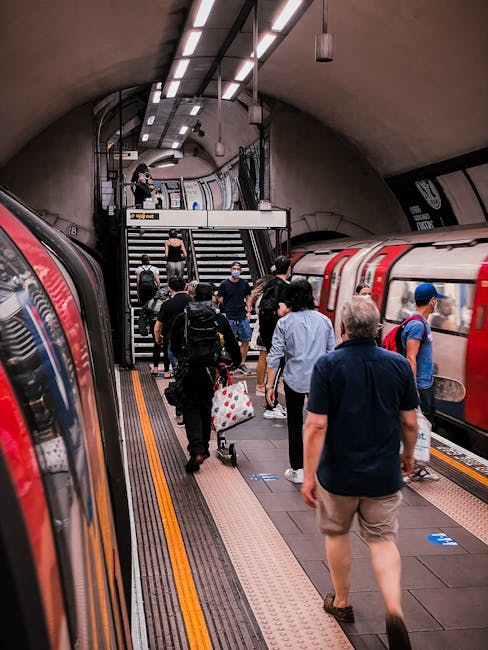
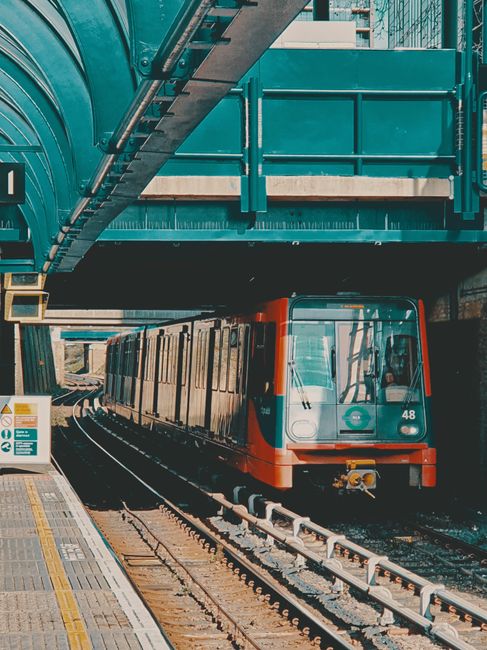
North Dulwich station area moving logistics for commuters
If you live, work, or commute around North Dulwich station, moving is not just about boxes and a van. It is about timing everything around trains, school runs, parking, tight streets, neighbour access, and the kind of morning where one small delay throws off the whole day. North Dulwich station area moving logistics for commuters means planning a move so it fits real commuter life, not the other way round. That is the whole point.
In this guide, you will find a practical, local-minded breakdown of how to plan a move near North Dulwich station with less stress, fewer delays, and fewer awkward surprises on the pavement. We will cover why this matters, how the process usually works, what to book, what to avoid, and how to keep your commute and your move from colliding in a messy heap. Let's face it, nobody wants to drag a mattress through rush-hour traffic because the van arrived at the wrong time.
Table of Contents
- Why North Dulwich station area moving logistics for commuters Matters
- How North Dulwich station area moving logistics for commuters Works
- Key Benefits and Practical Advantages
- Who This Is For and When It Makes Sense
- Step-by-Step Guidance
- Expert Tips for Better Results
- Common Mistakes to Avoid
- Tools, Resources and Recommendations
- Law, Compliance, Standards, or Best Practice
- Options, Methods, or Comparison Table
- Case Study or Real-World Example
- Practical Checklist
- Conclusion
- Frequently Asked Questions
Why North Dulwich station area moving logistics for commuters Matters
Moving near a rail station is a different job from moving in a quiet suburban cul-de-sac. Around North Dulwich station, timing matters because commuter flow changes the feel of the whole area. Early mornings can be calm, then suddenly the roads and pavements tighten up. A van that would be fine at 10:30 may be in the way by 8:15. That sounds obvious, but in real life people still get caught out.
This matters most for anyone trying to balance work, trains, children, and the move itself. If you are commuting into central London, you may only have a narrow window before leaving home. If you are moving into the area, you may be trying to settle without disrupting your job. And if you are a landlord, tenant, or homeowner coordinating keys, access, and removals, one bad handover can snowball into an expensive delay.
There is also the practical side. Around station-adjacent streets, parking is often more limited than people expect. A removal van may need to stop briefly, but that brief stop can become a problem if you have not thought through bay space, loading access, stairwell width, or whether neighbours will still be able to get past. A smooth move is usually the result of boring details handled well. Boring, yes. But very useful.
Expert summary: near a commuter station, a good moving plan is really a timing plan. If you get the timetable, loading access, and packing order right, the rest becomes far easier.
How North Dulwich station area moving logistics for commuters Works
In simple terms, moving logistics for commuters near North Dulwich station is the process of matching your home move to the rhythm of local travel. That includes your own commute, the removal crew's arrival window, parking arrangements, lift or stair access, and the order in which items leave the property.
A typical move works best when you treat it like a small operations plan. First comes the survey or estimate stage. Then comes packing and sorting. Then you decide the moving day schedule. After that, you line up the van size, parking access, and any extra help needed for bulky items. It is not glamorous. But it works.
For commuter households, the key is avoiding "dead time" when one person is waiting for the van while another is already needed elsewhere. For example, if one adult has to leave for a train at 7:45, the removal team may need to arrive earlier than usual, or the bulk of the work may need to be done the evening before. That kind of decision sounds small, yet it can save the entire day from slipping.
There is also a sequencing question: what moves first? In most commuter moves, essentials, paperwork, work equipment, chargers, and a small overnight bag should travel separately from the bulk furniture load. If you have ever started a Monday without your laptop charger, you know the feeling. Bit grim, really.
What the process usually includes
- Assessing access around the station area and nearby streets
- Choosing a moving slot that avoids peak commuter pressure where possible
- Booking the right vehicle, from a small van to a larger removal truck
- Planning packing order so essentials are accessible first
- Making sure parking, loading, and handover are realistic
- Allowing time for stairs, narrow hallways, and last-minute checks
For some households, a small service like man and van support is enough. For others, especially if there is a full home move, a more structured service such as home moves or house removalists is the better fit. The right choice depends on volume, access, and how much of the work you want to take off your own shoulders.
Key Benefits and Practical Advantages
Well-planned commuter-focused moving logistics do more than reduce stress. They save time, cut friction with neighbours, and make the move feel orderly instead of chaotic. That sounds neat on paper, but it is very real on the day.
- Less disruption to your commute: You can still catch trains, attend meetings, or do school drop-off without feeling like the move has taken over the week.
- Better use of time: A tighter schedule means fewer hours spent waiting around for the van or carrying boxes in circles.
- Smoother access: Planning around North Dulwich station streets helps you avoid blocked entrances, awkward loading, and repeated trips.
- Reduced damage risk: When items are packed in the right order and handled at the right time, breakages tend to drop.
- Clearer budget control: Good planning reduces avoidable extras such as long waits, repeated journeys, or emergency add-ons.
One practical advantage people often overlook is mental clarity. If your work day is already full, having the move run on rails, so to speak, makes a surprising difference. You stop firefighting. You know where the kettle is. Your coat is not buried in the same box as the saucepans. Lovely.
Another quiet benefit is neighbour goodwill. Around a station area, people notice when loading is tidy and brief. A considerate move is simply less likely to create complaints, and that can matter if you need to return for another load or use the same building access again.
Who This Is For and When It Makes Sense
This kind of planning is useful for anyone whose life is built around the commuter timetable. But some people need it more than others.
- Daily commuters: People who cannot afford a disrupted morning and need the move to fit around work travel.
- Families near the station: Households balancing school runs, nursery timings, and the need to leave early.
- Flat movers: Residents in upper-floor properties or buildings with narrow stairs, shared entrances, or limited loading space.
- Renters with strict handover times: Tenants who must vacate by a set hour and hand over keys cleanly.
- Homeowners coordinating chains: Buyers and sellers trying to align completion, keys, and transport without too much waiting.
- Remote workers with equipment: Anyone moving workstations, monitors, documents, or home office kit that must stay intact.
It makes sense when the move involves limited access, a tight deadline, or a commute you simply cannot afford to miss. It also makes sense if your move is small but fiddly. Sometimes a one-bedroom flat is harder to move than a bigger house because every item has to be carefully manoeuvred through a narrow stairwell. That part gets underestimated all the time.
If your move is much larger, or if you are dealing with mixed household and business items, then planning becomes even more valuable. In those cases, services such as commercial moves or office relocation services may be relevant if work equipment, records, or office furniture are involved.
Step-by-Step Guidance
Here is a practical way to handle North Dulwich station area moving logistics without making the process bigger than it needs to be. Keep it simple. Keep it ordered.
1. Confirm your moving date and commute constraints
Start with your own calendar. Check work shifts, train times, key collection windows, and any childcare pressure points. If you have an early start, think about whether the van needs to arrive before the morning rush or after it has passed. Not everything has to happen at once.
2. Audit access before booking anything
Walk the route from the street to the front door. Note stairs, door widths, corners, parking availability, and whether the property sits on a busier cut-through near the station. If you can, take photos. They help far more than you would expect.
3. Choose the right moving method
Some households only need a small vehicle and a couple of hands. Others need a full team, more packing support, and a larger van. If you are moving a modest load and need flexibility, a service such as man with van may suit. If you have bulky furniture or a longer haul, a moving truck or removal truck hire may be more sensible.
4. Declutter before you pack
Do not pack things you do not want. Seriously. It is one of the easiest ways to reduce cost and workload. A solid decluttering pass also makes it easier to move quickly around the station area, because fewer items mean fewer trips and less time spent blocking access. A helpful starting point is this guide on decluttering before moving.
5. Pack by priority, not by room only
Room-based packing is useful, but commuters also need priority-based packing. Work laptop, chargers, medication, documents, toiletries, keys, and a change of clothes should all be easy to reach. If you arrive late and the box with your kettle is buried behind the dining chairs, the day gets annoying fast.
6. Plan parking and loading carefully
In station areas, parking is not something to "sort on the day". It needs thought. If your street is tight or has active commuter traffic, aim to reduce the number of times the vehicle has to move. For more local detail, this article on parking suspension and moving vans in SE21 is a useful read.
7. Build in buffer time
One of the most useful habits is leaving slack in the schedule. Ten minutes becomes twenty. A box gets taped again. Someone cannot find the spare set of keys. Life, basically. Buffer time keeps a small delay from becoming a major problem.
8. Confirm the last-mile plan
The final stretch matters. Decide who opens the property, who meets the driver, where furniture goes first, and whether anything needs to be placed in storage temporarily. If you expect a staggered move, storage might help. In that case, consider a storage solution in combination with your move rather than trying to force everything into one impossible day.
Expert Tips for Better Results
A few small choices make a big difference in commuter-area moves. These are the practical habits we would recommend every time.
- Book earlier than you think you need to. Short-notice moves can work, but they often cost more in stress and lost flexibility.
- Separate essentials from bulk furniture. Keep your first-night items in one labelled bag or box and do not let anyone load it by mistake.
- Use consistent labelling. A simple "kitchen / fragile / first day" system is enough. Fancy labels are optional.
- Protect high-traffic corners. Narrow hallways and stair turns near North Dulwich properties are where scuffs happen.
- Measure larger furniture before move day. A sofa that fits in the room may still hate the staircase. Happens more than people expect.
- Pack for the commute, not just the house. If you need to leave for work the same morning, keep travel items separate from home items.
Another tip: if your building has shared entry times or neighbour sensitivity, communicate early and calmly. A quick note explaining the moving window is often enough. Most people are reasonable when they know what is happening and when.
And if you are moving after a long workday, be kind to yourself. The hours between 6 p.m. and 9 p.m. can feel a bit strange when boxes are everywhere and dinner is whatever you can find. That is normal. Not ideal, but normal.
Common Mistakes to Avoid
The biggest mistakes are usually not dramatic. They are the sort of oversights that feel tiny at the start and annoying later.
- Ignoring commuter timing: Booking a van without thinking about train peaks or school traffic can cause unnecessary delays.
- Underestimating access issues: A "short walk" from van to door may feel very different when you are carrying boxes and navigating stairs.
- Leaving packing too late: Last-minute packing leads to broken items, lost chargers, and that very specific panic when you cannot find the kettle.
- Choosing the wrong vehicle size: Too small means multiple trips; too large can create parking complications.
- Forgetting building rules: Some blocks or managed properties have access windows, lift rules, or booking requirements.
- Not checking hidden costs: Waiting time, extra labour, and awkward access can all affect the final total. This is worth reading alongside hidden costs in Dulwich removals.
One mistake people make is assuming the move will somehow "sort itself out" once the van arrives. It won't. Vans are patient, but they are not magical. The better the plan, the smoother the day.
Another frequent one: not building a back-up route for the human side of the move. If one person needs to leave for the station at a fixed time, say so clearly and plan around it. Do not bury that detail in a group chat and hope everyone notices. They probably won't.
Tools, Resources and Recommendations
You do not need a long list of gadgets to move well, but a few simple tools help a lot.
| Tool or resource | What it helps with | Why it matters near North Dulwich station |
|---|---|---|
| Room labels and marker pens | Clear box identification | Speeds unloading when access space is tight |
| Furniture blankets and covers | Protecting furniture and walls | Helps with narrow routes and stair turns |
| Tape, scissors, and spare bags | Last-minute fixes | Useful when timings are tight and you cannot keep hunting for basics |
| Phone photos of access points | Pre-move checks | Helpful for explaining parking, doors, and steps to the moving crew |
| Priority box or overnight bag | Essentials for the first day | Reduces stress if unpacking is delayed until after work |
On the service side, it helps to choose the right support level. If you only need someone to move a few large items, a smaller service may be enough. If you are relocating a full household, then a more complete solution makes better sense. For packing help, packing and unpacking services can save a lot of time, especially when you are fitting the move around a commute.
For single-item transport or awkward furniture, it may also be worth looking at furniture pick-up, particularly if you are clearing old pieces before moving in. And if you are also getting rid of bulky items, this guide on bulky waste pickup in Dulwich can help you think through what should be taken away before the move.
Law, Compliance, Standards, or Best Practice
For moves around North Dulwich station, the main compliance issues are usually practical rather than dramatic. You are generally dealing with parking restrictions, access arrangements, building rules, and ordinary duty of care for safety. If a van needs to stop on-street, you should check the local parking situation in advance rather than assume it will be fine on the day.
Local moving best practice in the UK usually includes protecting shared areas, avoiding obstruction, and respecting neighbours and pedestrians. That means no blocking doors, no leaving equipment in the way, and no assuming the pavement belongs to the moving crew for the afternoon. It sounds basic because it is basic, but that is often what keeps things smooth.
If you live in a managed building, there may also be requirements about lift booking, moving hours, fob access, or floor protection. Ask early. Do not wait until the crew is already outside with a wardrobe halfway through the door. That is the point when everyone starts speaking a bit too quickly.
For people moving in Southwark-adjacent areas, it is sensible to think about parking rules and any restrictions that could affect loading. A practical local overview is available in Southwark Council removals rules for Dulwich residents. Use that kind of information as guidance for planning, not as a substitute for checking your exact street conditions and property rules.
Best-practice reminder: safe lifting, clear access, and good communication matter more than speed alone. Fast is good. Safe and fast is better.
Options, Methods, or Comparison Table
Different moves call for different methods. The right choice depends on volume, timing, access, and how much work you want to handle yourself.
| Option | Best for | Pros | Trade-offs |
|---|---|---|---|
| Man with van | Small to medium moves, quick local relocations | Flexible, usually efficient, good for lighter loads | May not suit larger household volumes or complex access |
| Full removal team | Whole-home moves, multiple rooms, heavier furniture | More support, better for busy schedules | More planning needed, and often higher overall cost |
| Removal truck hire | DIY movers with a larger load | Useful for self-managed moves | Requires more labour from you and your household |
| Packing and moving service | Time-poor commuters and busy families | Saves time, reduces mistakes, simplifies day-of logistics | Extra service layer to coordinate |
If your move includes business items as well as domestic belongings, it may be smarter to combine methods. For example, a home office can be handled differently from bedroom furniture. That is where a service like office relocation services may be useful alongside a standard household move.
For some moves, a hybrid approach is the sweet spot: pack the fragile and essential items yourself, use professional help for the heavy lifting, and keep a separate bag for work and commuting needs. Truth be told, that often gives the best balance of cost and sanity.
Case Study or Real-World Example
Picture a typical North Dulwich commuter move. A tenant is leaving a two-bedroom flat near the station and starts a new job the following Monday. They need to hand back keys by midday, catch an afternoon train for a meeting, and move a sofa, bed, desk, and several boxes without blocking the entrance to the building.
The move goes better because the plan is simple. Packing starts two evenings earlier. Work items are separated into one labelled box and one backpack. The van is booked for an early slot, before the area gets busier. The largest pieces are moved first, while fragile boxes stay near the door. A second load is avoided because the declutter step cut down the volume. Small detail, big win.
There is a moment, naturally, when someone cannot find the screwdriver for a bed frame. There is always that moment. But because the essentials bag is ready, the person still makes their train and can work normally the next day. No drama. No late-night fumbling through boxes for the charger. That is what good commuter moving logistics looks like in practice: not perfection, just fewer headaches.
In another example, a couple moving into a larger home near the station uses storage for a few items they do not need immediately. That makes the first delivery faster and gives them room to settle in before bringing across the rest. It is a good reminder that you do not always need to move everything at once. Sometimes the smartest move is to split the move.
Practical Checklist
Use this checklist to keep your move around North Dulwich station organised and realistic.
- Confirm move date, key handover time, and your commute schedule
- Check street access, parking, and loading space in advance
- Measure bulky furniture and awkward corners
- Book the right vehicle or removal service
- Set aside documents, chargers, medicine, and work essentials
- Declutter before packing to reduce volume
- Label boxes clearly by room and priority
- Protect floors, walls, and shared hallways
- Tell neighbours or building management if required
- Keep snacks, water, and a backup phone charger close by
- Allow buffer time for traffic, stairs, and last-minute issues
- Prepare an overnight bag so you can function the next morning
If you want a calmer start, this one small habit helps: pack the first-night box last, but label it first. That way it stays on top and stays visible. Simple trick. Works a treat.
Conclusion
North Dulwich station area moving logistics for commuters is really about bringing order to a day that could otherwise become noisy, late, and a bit of a scramble. When you plan for access, timing, parking, and the demands of commuter life, the move becomes much easier to manage. You do not need a perfect system. You just need a sensible one.
The most useful mindset is this: protect your time, protect your access, and protect your essentials. Get those three things right and the rest becomes far more manageable, whether you are moving a compact flat, a family home, or a work-from-home setup with a few too many cables. We have all been there.
If you are ready to simplify the process, line up the right support early and make the day feel less like a scramble and more like a plan. That calm feeling when the last box is in and the train is still on schedule? Hard to beat.
Get a free quote today and see how much you can save.
Frequently Asked Questions
What does North Dulwich station area moving logistics for commuters actually mean?
It means planning a move around commuter routines, station-area access, parking, and timing so your journey to work and your removal day do not clash badly.
Is it better to move before or after the morning rush?
Usually, the best option depends on your building access, parking conditions, and your own work schedule. Early moves can help, but only if you can secure access smoothly and avoid creating pressure at the station end of the day.
How far in advance should I book a move near North Dulwich station?
As early as possible is best, especially if you need a specific time window. Short-notice moves can work, but they often leave less room for parking coordination and packing prep.
Do I need a large van for a flat near the station?
Not always. A smaller van can be enough for light or medium loads. The right size depends on furniture volume, access, and whether you want everything moved in one trip.
What should commuters pack separately from the main move?
Keep work equipment, chargers, medication, keys, documents, toiletries, and a change of clothes separate. That keeps your first day functional even if the rest of the boxes are still being sorted.
How do I deal with limited parking near the station?
Plan it in advance, check the street layout, and make sure the loading point is realistic. If parking is tight, a smaller van or a carefully timed delivery window may work better.
Can packing help reduce moving stress for commuters?
Yes, absolutely. Packing services or a solid self-packing plan can reduce the time you spend managing the move, which matters when you still have trains and work to think about.
What if my property has narrow stairs or a tight entrance?
Measure first, and be honest about access. Tight staircases may require more labour, more protection for walls, and sometimes a different vehicle or team size. It is worth being realistic here.
Are there compliance issues I should think about?
Yes, mainly parking rules, building access rules, shared-area care, and safe lifting practices. If you are in a managed building, check any moving-hour restrictions or lift booking requirements early.
Is storage useful for commuter moves?
Often, yes. If your timing is tight or you do not want to move everything in one go, storage can make the first stage much easier and less rushed.
What is the biggest mistake people make with station-area moves?
They underestimate timing. People often focus on the boxes and forget commute windows, parking pressure, and access constraints. That is usually where the day starts to wobble.
How can I make the first night in the new place less stressful?
Prepare one clearly labelled essentials bag or box with bedding, toiletries, chargers, basic kitchen items, and anything you need for work the next morning. It is a small thing, but it makes a huge difference.
Moving near a commuter station is never just a transport job. It is a timing job, a planning job, and, if we are honest, a patience job too. But when it is handled well, the whole thing feels lighter. And that is a very good feeling to carry into a new home.